-
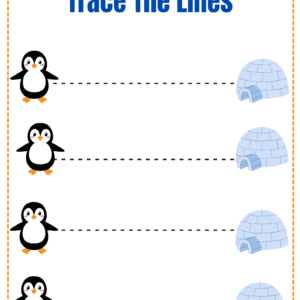
✏️ Tracing Lines Worksheets for Kids (Ages 2–5)- Part 3
🌟 What Your Child Will Learn
- Straight, curved, zig-zag & pattern lines
- Hand-eye coordination
- Pencil control & grip
- Focus and concentration
- Pre-writing foundation for letters & numbers
-
📚 What’s Inside
✔ 20+ printable tracing worksheets
✔ Different line patterns (easy to advanced)
✔ Fun and kid-friendly designs
✔ Suitable for nursery, preschool & kindergar
-
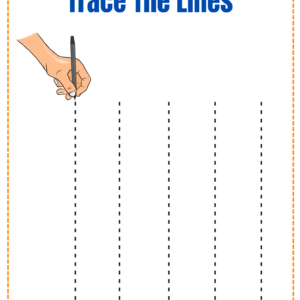
✏️ Tracing Lines Worksheets for Kids (Ages 2–5)- Part 2
🌟 What Your Child Will Learn
- Straight, curved, zig-zag & pattern lines
- Hand-eye coordination
- Pencil control & grip
- Focus and concentration
- Pre-writing foundation for letters & numbers
-
📚 What’s Inside
✔ 20+ printable tracing worksheets
✔ Different line patterns (easy to advanced)
✔ Fun and kid-friendly designs
✔ Suitable for nursery, preschool & kindergarten
-
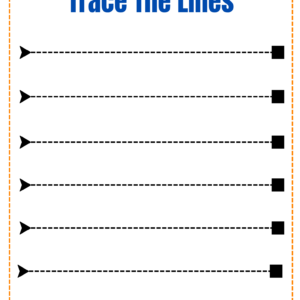
✏️ Tracing Lines Worksheets for Kids (Ages 2–5)- Part 1
🌟 What Your Child Will Learn
- Straight, curved, zig-zag & pattern lines
- Hand-eye coordination
- Pencil control & grip
- Focus and concentration
- Pre-writing foundation for letters & numbers
-
📚 What’s Inside
✔ 20+ printable tracing worksheets
✔ Different line patterns (easy to advanced)
✔ Fun and kid-friendly designs
✔ Suitable for nursery, preschool & kindergarten
-
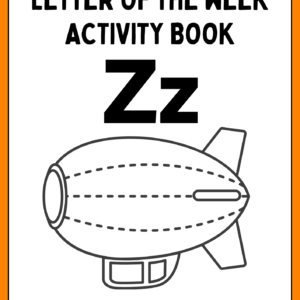
Letter of the week “Z”
- Make the activities fun and engaging to keep children interested.
- Use a variety of learning styles to accommodate different learners.
- Provide opportunities for children to practice the letter in different contexts.
- Connect the letter to real-world experiences to make learning meaningful.
By incorporating these activities into your weekly routine, you can help children develop strong letter recognition, formation, and sound skills, which are essential for early reading and writing development.
-
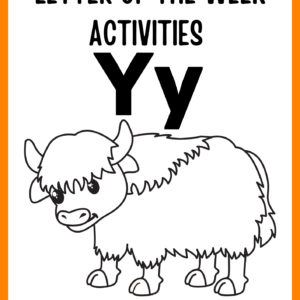
Letter of the week “Y”
- Make the activities fun and engaging to keep children interested.
- Use a variety of learning styles to accommodate different learners.
- Provide opportunities for children to practice the letter in different contexts.
- Connect the letter to real-world experiences to make learning meaningful.
By incorporating these activities into your weekly routine, you can help children develop strong letter recognition, formation, and sound skills, which are essential for early reading and writing development.
-
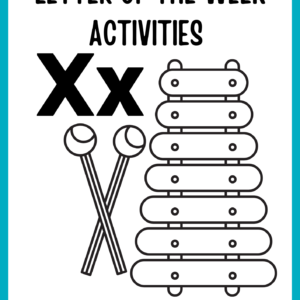
Letter of the week “X”
- Make the activities fun and engaging to keep children interested.
- Use a variety of learning styles to accommodate different learners.
- Provide opportunities for children to practice the letter in different contexts.
- Connect the letter to real-world experiences to make learning meaningful.
By incorporating these activities into your weekly routine, you can help children develop strong letter recognition, formation, and sound skills, which are essential for early reading and writing development.
-
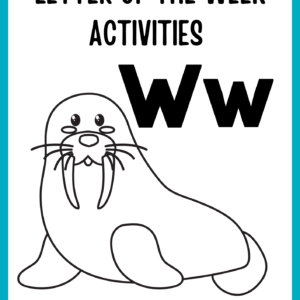
Letter of the week “W”
- Make the activities fun and engaging to keep children interested.
- Use a variety of learning styles to accommodate different learners.
- Provide opportunities for children to practice the letter in different contexts.
- Connect the letter to real-world experiences to make learning meaningful.
By incorporating these activities into your weekly routine, you can help children develop strong letter recognition, formation, and sound skills, which are essential for early reading and writing development.
-
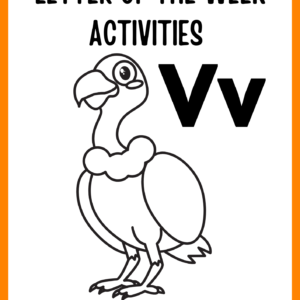
Letter of the week “V”
- Make the activities fun and engaging to keep children interested.
- Use a variety of learning styles to accommodate different learners.
- Provide opportunities for children to practice the letter in different contexts.
- Connect the letter to real-world experiences to make learning meaningful.
By incorporating these activities into your weekly routine, you can help children develop strong letter recognition, formation, and sound skills, which are essential for early reading and writing development.
-
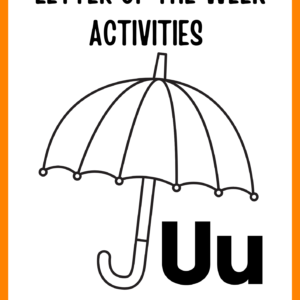
Letter of the week “U”
- Make the activities fun and engaging to keep children interested.
- Use a variety of learning styles to accommodate different learners.
- Provide opportunities for children to practice the letter in different contexts.
- Connect the letter to real-world experiences to make learning meaningful.
By incorporating these activities into your weekly routine, you can help children develop strong letter recognition, formation, and sound skills, which are essential for early reading and writing development.
-
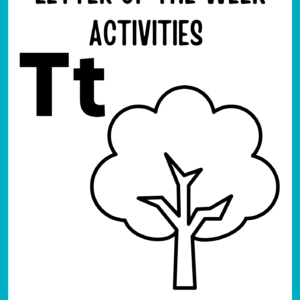
Letter of the week “T”
- Make the activities fun and engaging to keep children interested.
- Use a variety of learning styles to accommodate different learners.
- Provide opportunities for children to practice the letter in different contexts.
- Connect the letter to real-world experiences to make learning meaningful.
By incorporating these activities into your weekly routine, you can help children develop strong letter recognition, formation, and sound skills, which are essential for early reading and writing development.
-
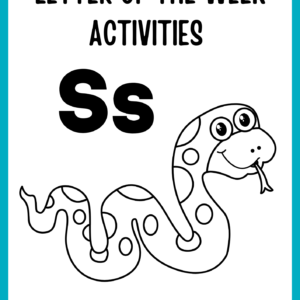
Letter of the week “S”
- Make the activities fun and engaging to keep children interested.
- Use a variety of learning styles to accommodate different learners.
- Provide opportunities for children to practice the letter in different contexts.
- Connect the letter to real-world experiences to make learning meaningful.
By incorporating these activities into your weekly routine, you can help children develop strong letter recognition, formation, and sound skills, which are essential for early reading and writing development.
-
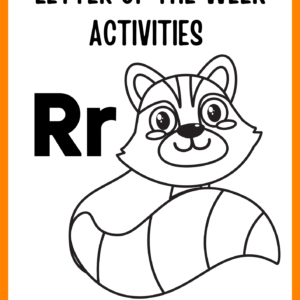
Letter of the week “R”
- Make the activities fun and engaging to keep children interested.
- Use a variety of learning styles to accommodate different learners.
- Provide opportunities for children to practice the letter in different contexts.
- Connect the letter to real-world experiences to make learning meaningful.
By incorporating these activities into your weekly routine, you can help children develop strong letter recognition, formation, and sound skills, which are essential for early reading and writing development.


Back To Top
